
Once you understand what content marketing is, the next step is to start using content marketing to attract more visitors to your site. For small businesses, that doesn’t mean launching a complex plan or publishing every week. It’s about starting simple — creating content that’s genuinely useful for your customers and building from there.
Table of contents
Start small and stay consistent
Many small businesses hesitate to use content marketing because they feel they need a complete strategy before publishing anything. In reality, content marketing is a long-term process that often works best when you start small and refine as you go.
You don’t need a large budget or a marketing team — just the willingness to share what you know and answer questions that matter to your audience.
Understand your audience
Before you write anything, think about who you want to reach and what they might be searching for.
For most small businesses, this means understanding your typical customer:
- What are their circumstances? A buyer in a large organisation? A single parent with not enough time in the day?
- What are their main problems or questions?
- What information would make them feel more confident about choosing your service?
- What might they type into Google when looking for help?
If you’re an established business, think about your existing customers and use them to build a profile of your target audience(s). You can even ask them directly if you have a good relationship with them.
Start with your key pages and topics
Once you’ve established who you’re writing for, it’s time to look at your existing content – and particularly at your product and service pages. Your website should explain what you offer clearly and confidently — that’s your core content.
Each service or product that you offer deserves its own well-written page that helps visitors understand what’s included, who it’s for, and why they should choose you.
Once those pages are in place, you can start to add articles that are related and go deeper into common questions or related topics. For example:
- A cleaning company might write “How often should an office be deep cleaned?”
- A web designer might write “Five signs your business website needs an update.”
- A financial advisor might write “How to prepare for your first tax return as a sole trader.”
- A pet food shop might write “How to choose the right food for your dog”
These articles support your main service and product pages and bring in visitors at different stages of the decision process.
Finding ideas for your content
Knowing what to write about is often the hardest part of content marketing, especially when you’re just starting out. But good ideas are closer than you might think.
Start with your customers. What questions do they ask before buying? What concerns or misconceptions come up repeatedly? Each one of those can become a useful article that helps future customers understand your service.
You can also look for inspiration in:
- Your email enquiries or FAQs
- Conversations you have with clients
- Industry forums or social media groups
- Google search suggestions and “People also ask” results
- Competitors’ blogs — not to copy, but to spot topics they’ve missed
Over time, you’ll build a list of ideas that reflect what people genuinely want to know. That’s what makes content marketing work: it helps you meet your deliver real value to people with real questions.
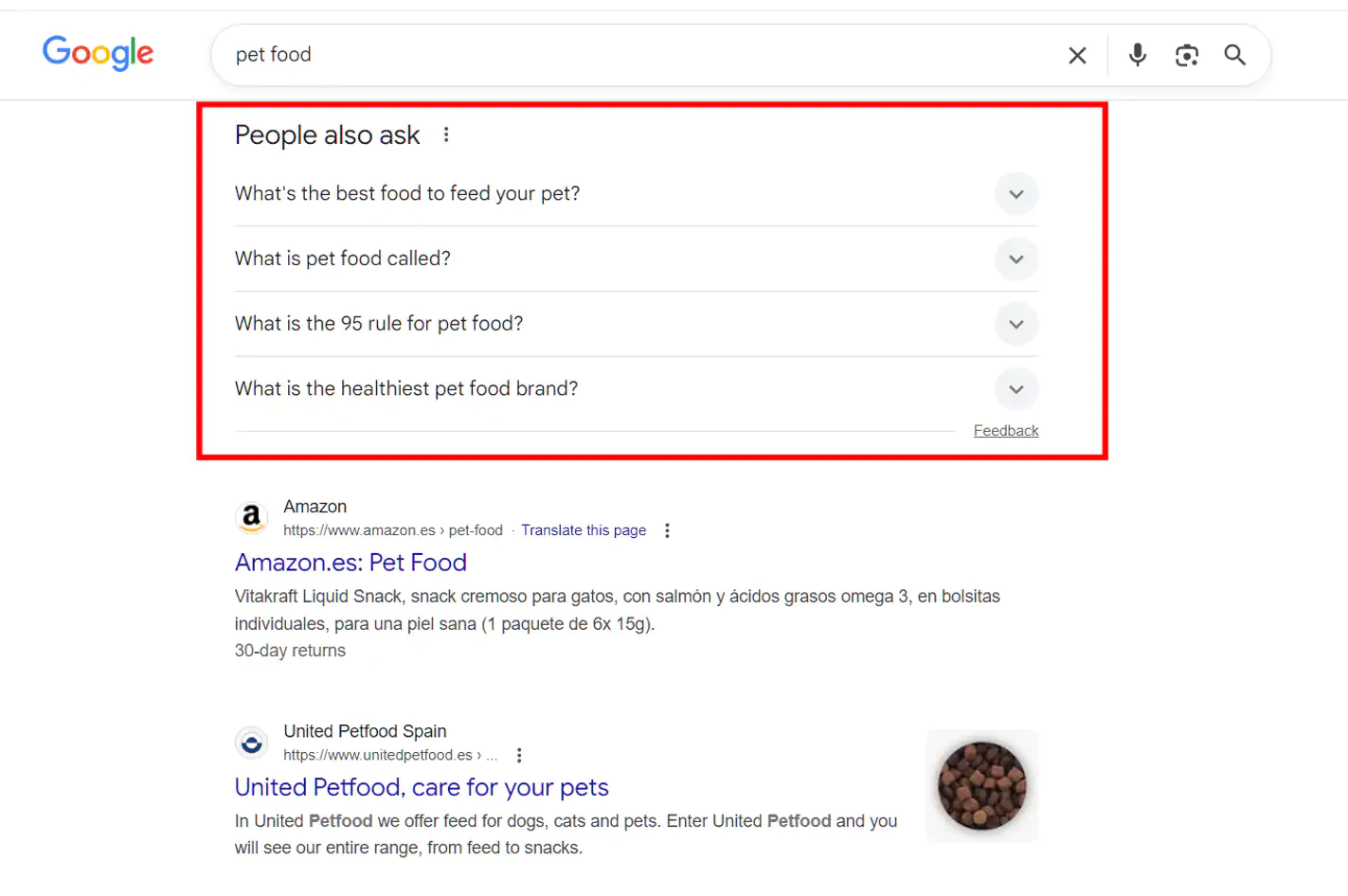
Google’s ‘People also ask’ feature is a great source of content ideas – and it’s completely free!
Create and publish regularly
Consistency matters more than frequency. Establishing a habit of writing one thoughtful article each month is better than publishing five at once and then stopping.
A few simple principles help your content perform better:
- Write clearly and conversationally.
- Use short paragraphs and headings so it’s easy to read.
- Focus on helping the reader, not selling your service.
- Include a short call to action at the end (for example, a link to your contact page or a relevant service).
If writing isn’t your strength, consider drafting ideas and hiring a writer to shape them into articles. The key thing is that the knowledge and insight come from you.
Connect your content and SEO
Great content is all well and good. But if no one finds it, you’re effectively shouting into the void. So you need a good SEO strategy to give your content the best chance of showing up in search results.
SEO is the process of optimising your website and its content so that search engines like Google are more likely to display it to people who are making relevant searches. It’s usually broken down into 3 areas:
Technical SEO
This is all about making sure your website is built properly so that it loads quickly, all the elements work, images have associated descriptive text, and there are no broken links. It’s vital for a good user experience and also indicates to search engines that the site is well-maintained.
On-site SEO
On-site SEO is about including elements in your content that help search engines (and users) understand what it is about and where it sits in relation to other content. It includes things like:
- Using informative titles and descriptions on your pages and articles
- Including words and phrases (keywords) in your content that match what users are likely to search for
- Linking to other pages on your site, and to other websites
Off-site SEO
This is arguably the most important aspect of SEO and one that many people overlook. Getting a good position on search engines is heavily influenced by how trusted and authoritative your content is. And a sure sign of that trust and authority comes from the number of people who link to it.
So building up a network of external websites that link to your content is an important part of any SEO strategy.
For a more comprehensive overview of SEO, see my article on What is SEO? A simple explanation for small businesses.
Learn from performance
The best content marketing develops over time. Tools like Google Search Console and Google Analytics show which pages attract the most visitors, how long they stay, and what actions they take next.
This insight helps you:
- Identify what topics your audience finds most useful.
- Improve pages that aren’t performing well.
- Shape future articles around what’s already working.
It also helps when you start investing in paid advertising — you’ll already know which messages and topics attract interest, making your ad campaigns more efficient.
Common mistakes to avoid
A few pitfalls can limit the success of your content marketing. Try to avoid the following common mistakes:
- writing only about your business instead of your customers’ needs.
- publishing content without a clear purpose or audience.
- trying to rank for highly competitive topics too soon (more on this in a later piece).
- giving up before results appear — organic growth takes time.
Treat content marketing as a gradual process of building authority, not a short-term campaign.
Bringing it all together
Content marketing works best when it becomes part of how you communicate with your audience — not a separate project.
Start with a few helpful pages, add articles that answer real questions, and keep refining based on what you learn. Over time, your website becomes a genuine resource that attracts, informs, and converts visitors into customers.
How I can help
If you’re ready to start using content marketing but aren’t sure where to begin, I can help you plan and create the first few pieces of content for your website.
That might mean:
- Reviewing your existing site and identifying opportunities for improvement
- Researching how people are searching for your products or services
- Drafting articles that answer your customers’ questions and attract search traffic
If that sounds useful, drop me a line to arrange a free, no-obligation call and we can chat about what’s already working on your site and where content could make the biggest impact.